2 North Bound 0 South Bound 5.75 hrs
Clear and sunny early in day, ending with overcast cloudy gray skies. Two gray whales migrated north.

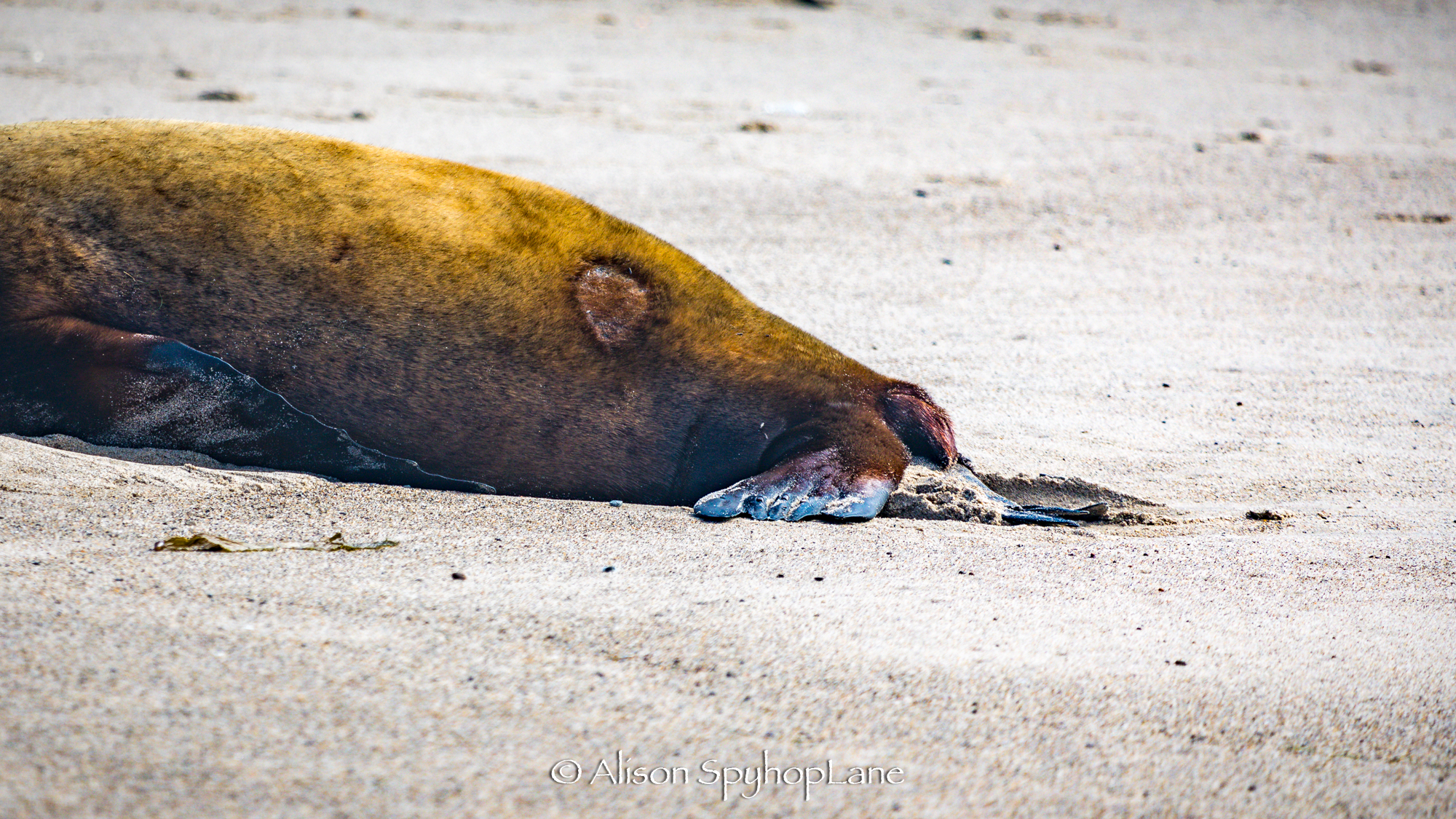
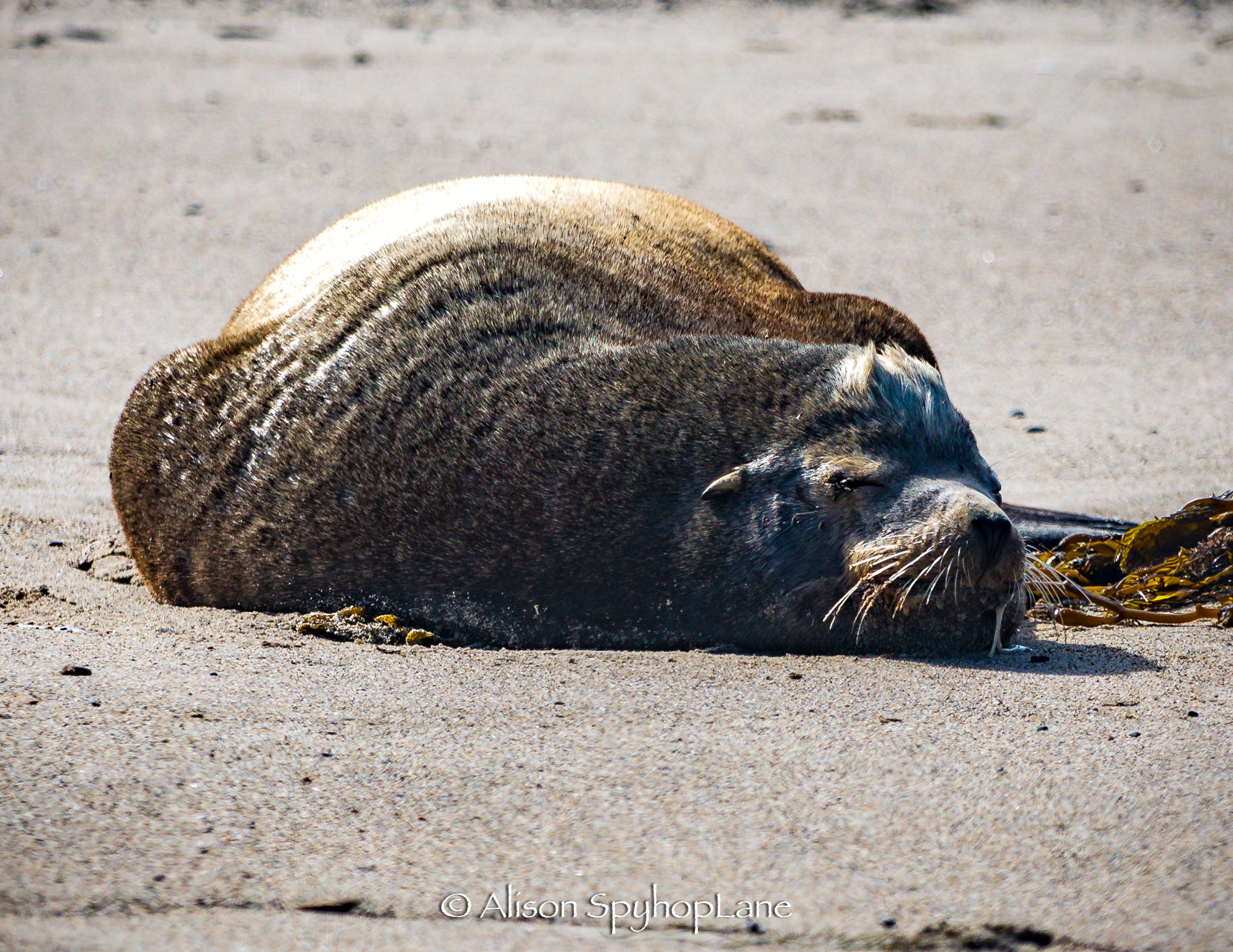
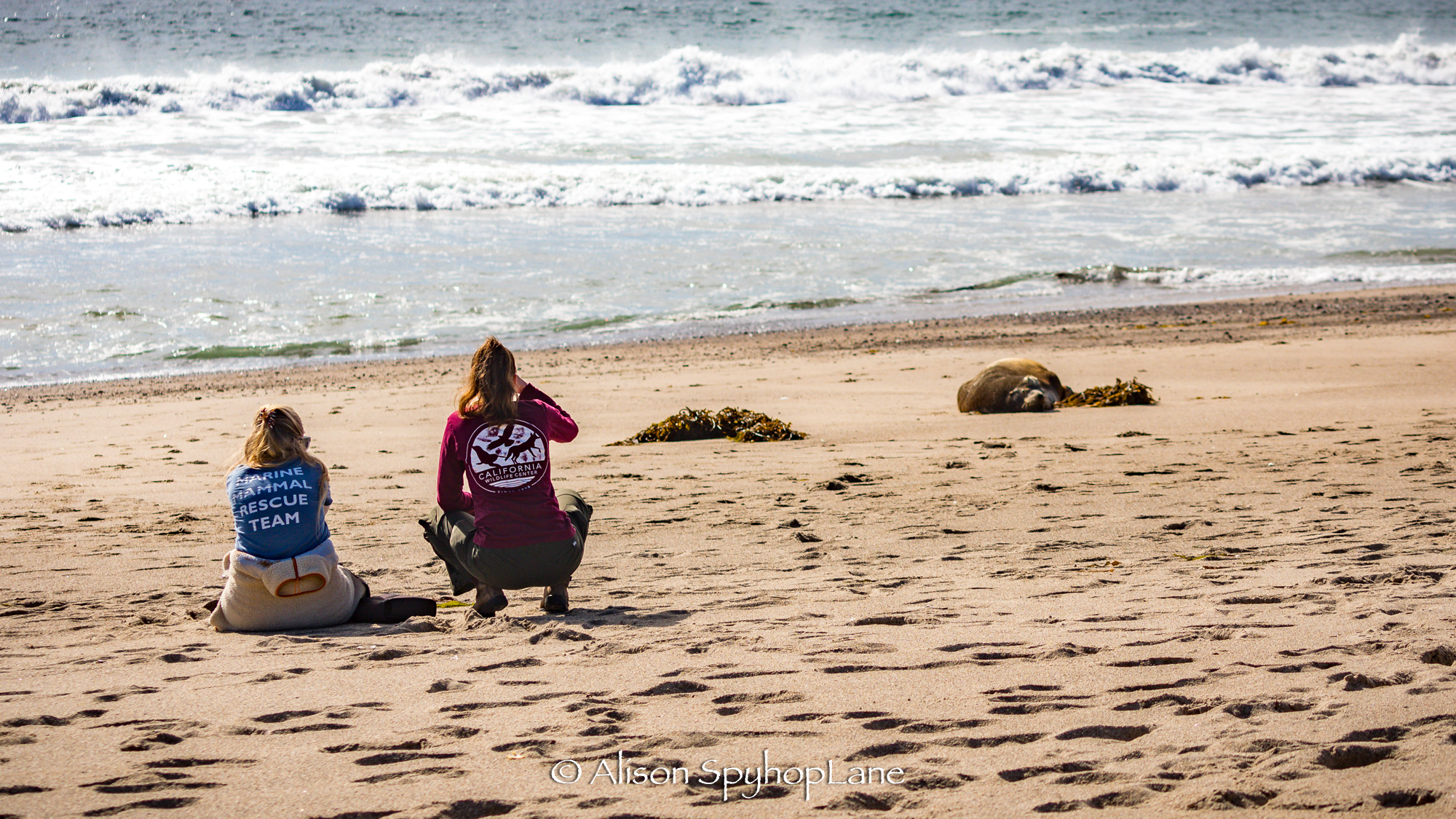
One male (subadult) Sea Lion was rescued by Marine Mammal Rescue (MMR) from California Wildlife Center (CWC) at Westward Beach. The large ~ 300 pound Bull lay flat on its belly in a lethargic, weakened state suffering from symptoms of suspected Domoic Acid (DA)poisoning.
Sea Lion (Pinnipeds) get sick after consuming fish that are contaminated with DA. The fish feed on the algae that produce the DA but do not get symptomatic. In Sea Lions the DA is neurotoxic causing liver, heart or brain damage resulting in seizures or death. Other symptoms include disorientation with disorganized movements. Star gazing is movements where the head is tilted upward as if the Sea Lion is straining to locate stars in the sky. They may look sleepy and docile but quickly become agitated.
Volunteers keep a watchful eye on the ill Sea Lion until more help arrives to transport for further assessments at the CWC. There is no cure but treatments can involve anti-seizure / anti-convulsant medications , Intravenous fluids to flush the toxins and fresh non contaminated fish. The CWC is currently getting 40-50 calls a day for Sea Lions along the Malibu Coast.



To Report a sick or injured Marine Mammal or Injured Shore Bird please call the California Wildlife Center: Marine Mammal Rescue Hotline….
Please take photo of the animal and injury without disturbing the animal.
DO NOT TOUCH THE ANIMAL
Be Prepared to STAY until you speak to the center and KEEP OTHERS AWAY at least 50 ft if possible to protect the wildlife and yourself. You can also speak to the lifeguard on duty to provide help if possible.
The Wildlife Center will ask you to text a photo to them to assess the situation.
Call (310)924-7256
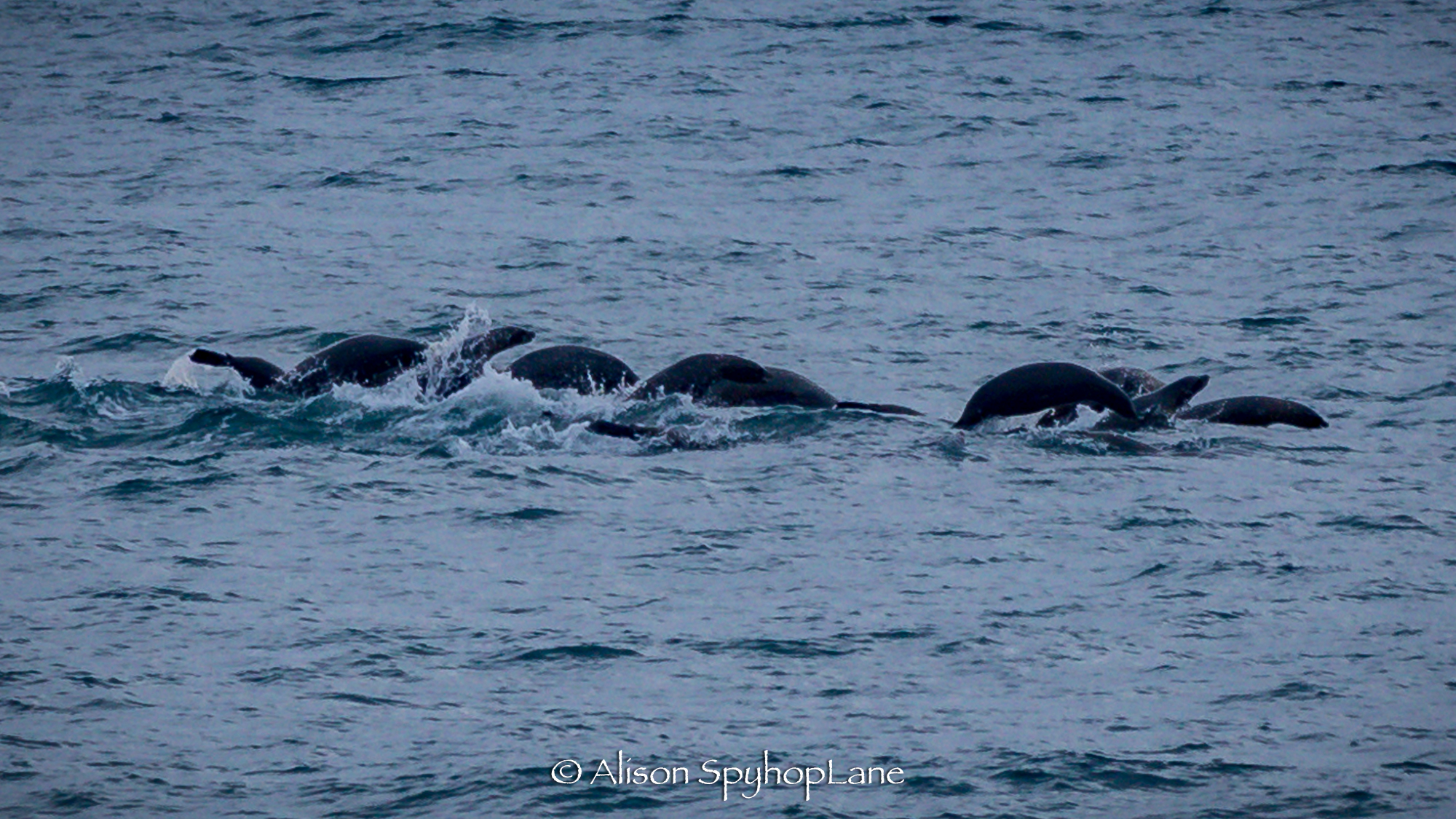
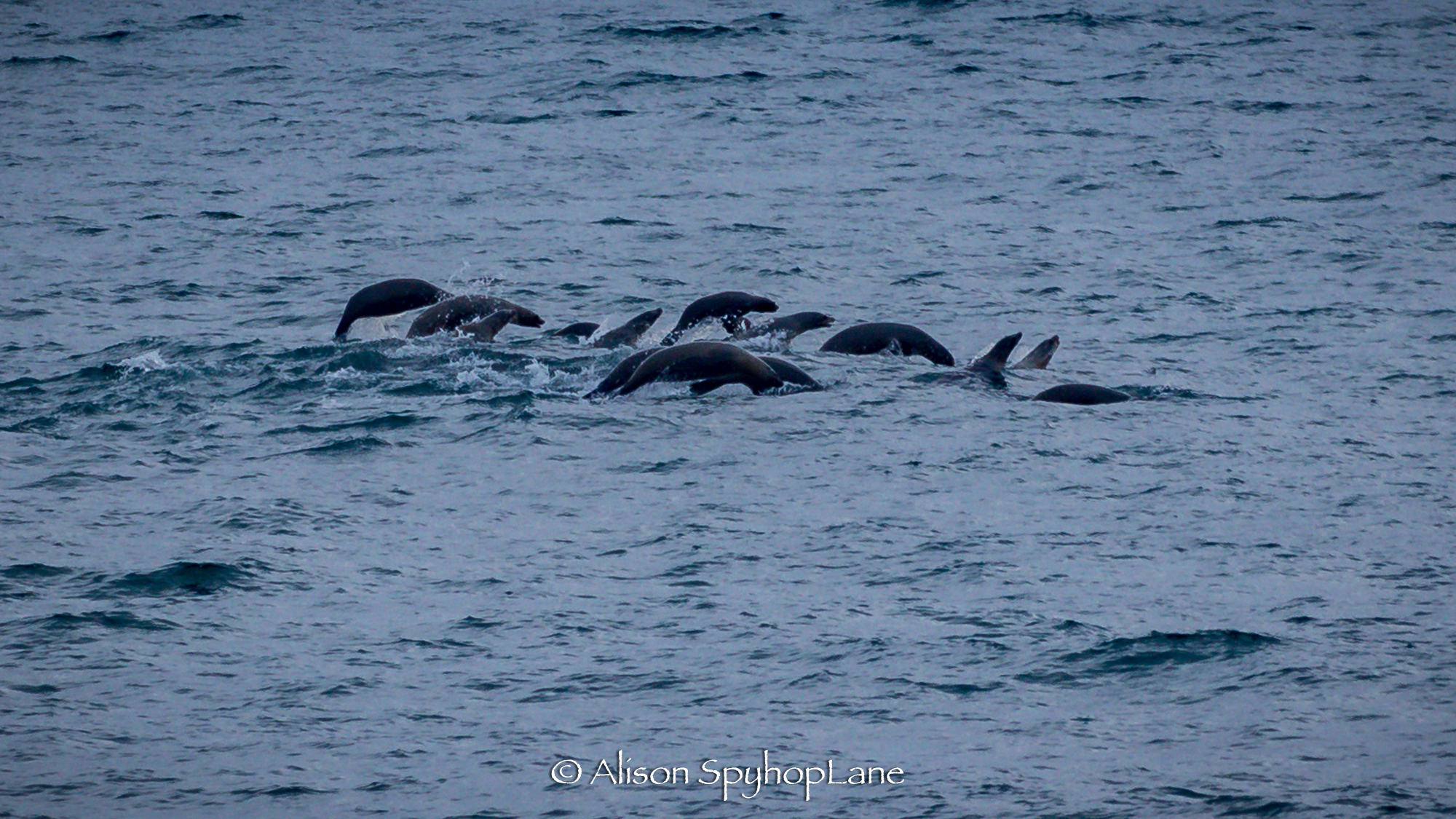
A large herd of Sea Lions were stampeding north westerly before sunset. A welcome sighting with a sharp contrast in the behavior seen earlier with so many Sea Lions stranding, sick and dying along the coast to Ventura. The exact location of the red algae bloom that produces DA (Domoic Acid) has not been established. It is very early in the season to see so many sick pinnipeds. Typically the DA cases start in late May or June when the water is warmer. Currently the ocean is 57 degrees, however, the recent rains and influx of run off from the collective fires in the last few months can dump nutrients needed for the algae blooms and subsequent toxic DA.



High tides are also contributing to the debris being dragged into local Santa Monica Bay areas despite makeshift barriers to keep the tide away ABC7 news reported a large area of toxic debris and sludge along the shore near homes destroyed in the Palasades Fire. NBC 4 is reporting growing concerns over fire debris polluting the local water with large items scattered on shore and sediment in the water shifting the sea color to shades of dark green and brown. They are asking the big question: “Who is responsible for cleaning it up?”! Several agencies including Heal The Bay is testing the water for heavy metals and toxins and urges the public to avoid getting in the ocean along the Palasades Fire areas down to Dockweiler Beach. Large dangerous nail studded beams and sharp rusty metal is floating amoung the debris in the water and littering beaches onshore.
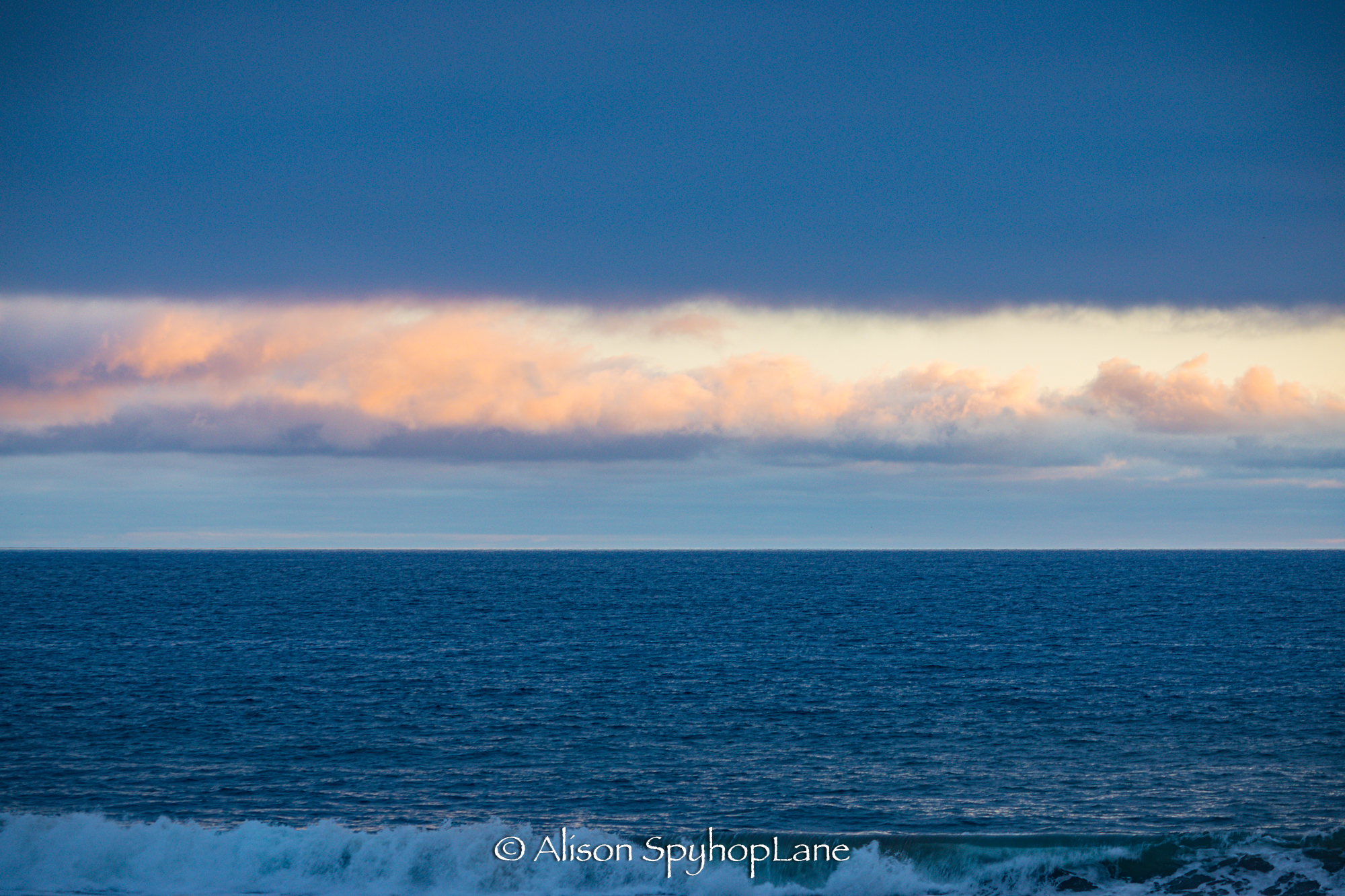
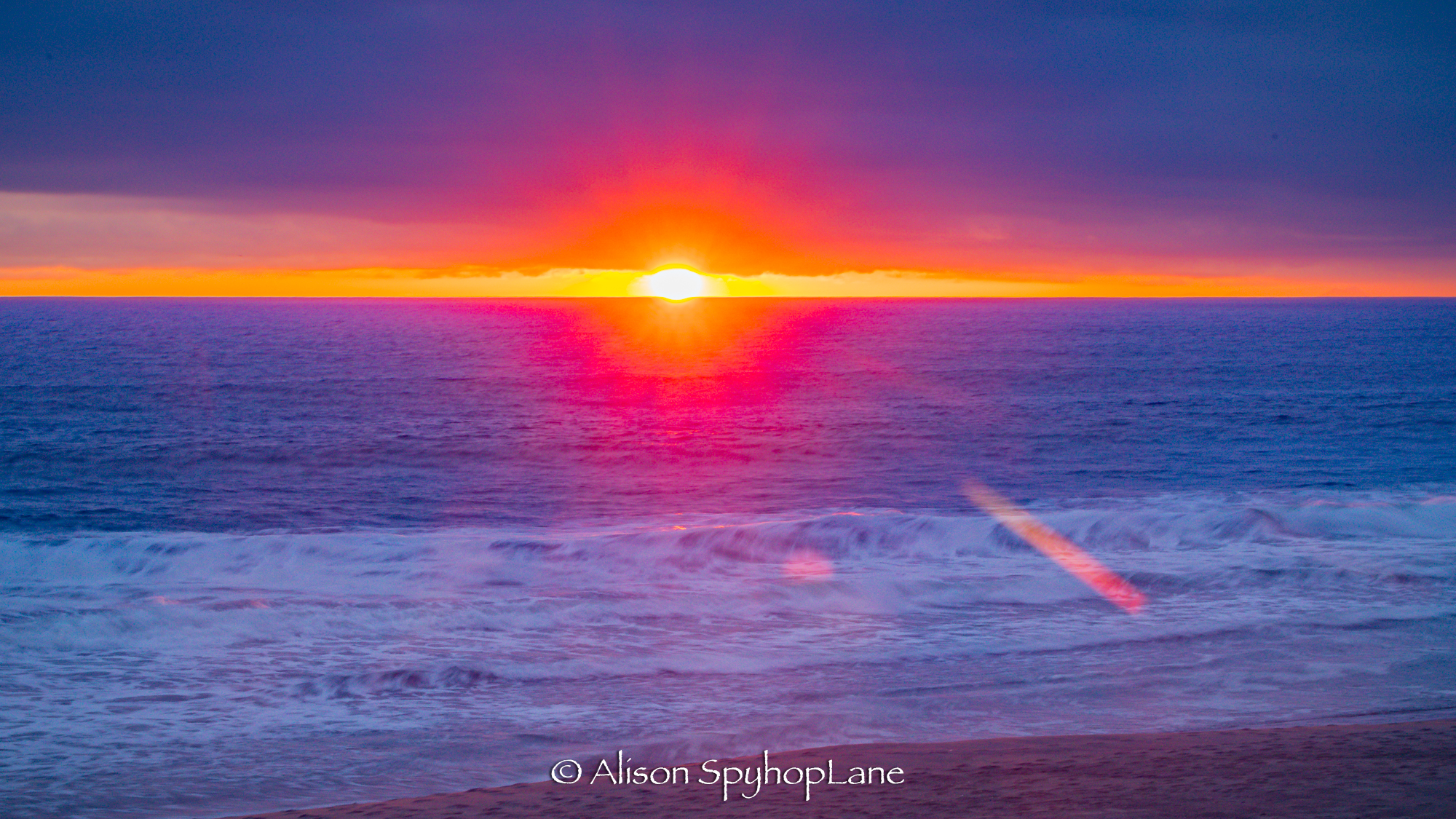
Dark stormy clouds at horizon before sunset



Thank you for reading the post and caring about the Gray Whales. If you would like to be notified of updated and new posts, please add your email address in the box below to receive notifications.

 Spyhop Lane