April 13,2023 Thursday: Partly cloudy, partly sunny, mostly overcast with calm seas and cool crisp 54 degrees in the morning warming up to 58 degrees in the afternoon.
Four sightings today included three underweight gray whale cows (mothers) with actively nursing and bottom filter feeding calves. Two of the more underweight Cows (mothers) had visible scapulas with sunken cervical neck areas. The third underweight cow had white patches on both sides of the dorsal fluke.
First sighting was a cow/calf gray whale pair that came in close to shore.

The gray whale cow was thin with neck depressions and visibly protruding outline of the scapular bones indicating a loss of body volume and weight. The gray whale calf was actively (practice) feeding close to shore. Several spyhops were observed with visible sand spewing from its mouth, possibly to aid in learning to swallow the sediment or to mark the location for future needs.
Gray whale calves begin learning to filter feed in the Baja lagoons and can be seen displaying the feeding behaviors as they practice sucking up the muddy ocean sediments along the migration route. The primary source of nutrition coming from breast milk made of 55% fat compared to 2% human breast milk. Gray whale cows produce over milk or lactate and nurse the calf for 5-7 months.


LA Ocean Lifeguard skill training session today included jet ski rescue drills that were heading in the direction of the whales, but the on duty Lifeguards are well trained and aware of the migration and radio one another from various locations while advanced skill training sessions occur. The jet ski driver here thankfully stopped just in time to allow safe passage of the cow/calf pair.


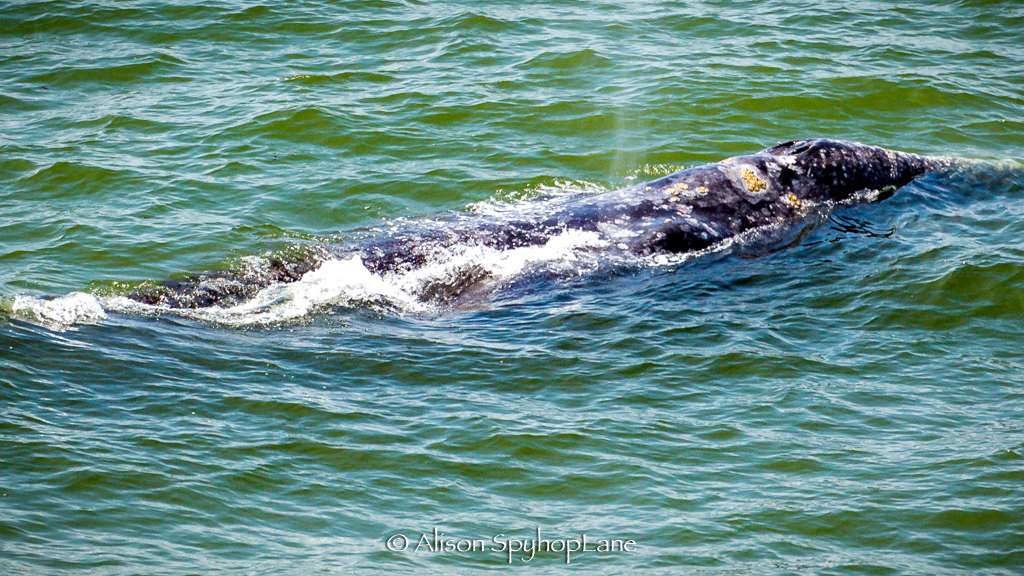
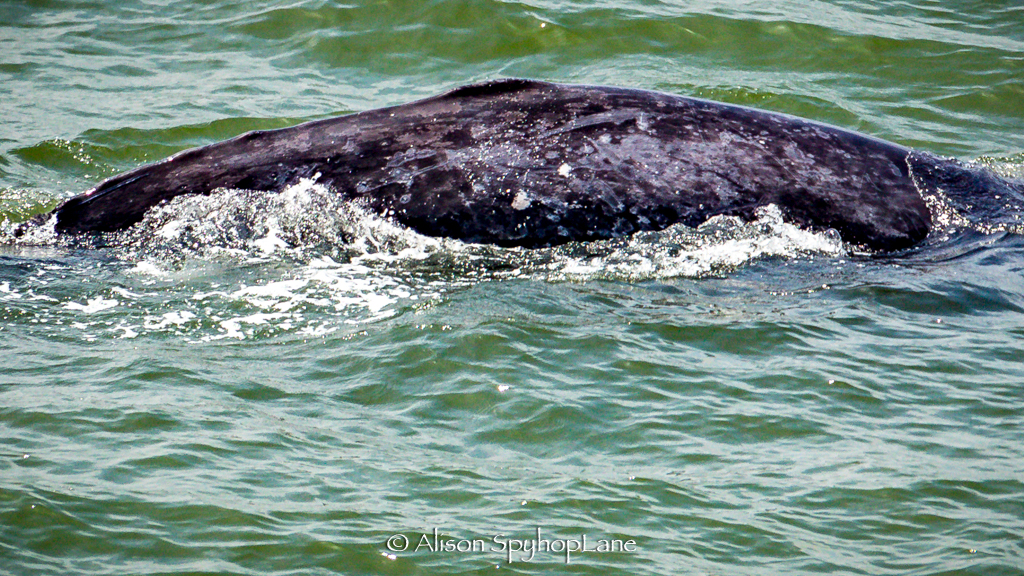

Protruding scapula area with cervical neck depressions (dips) indicating a loss of body fat and volume. Gray whale calf fluke with tiny white spot on ventral side and spy hopping with sand spewing out of its mouth. Gray whale calves must learn to suck the sand up from the bottom of ocean to filter feed after being weaned from the high fat mothers milk and the practice begins starting in the lagoons and continues along the migration route while the mothers slow down to rest in shallow water.
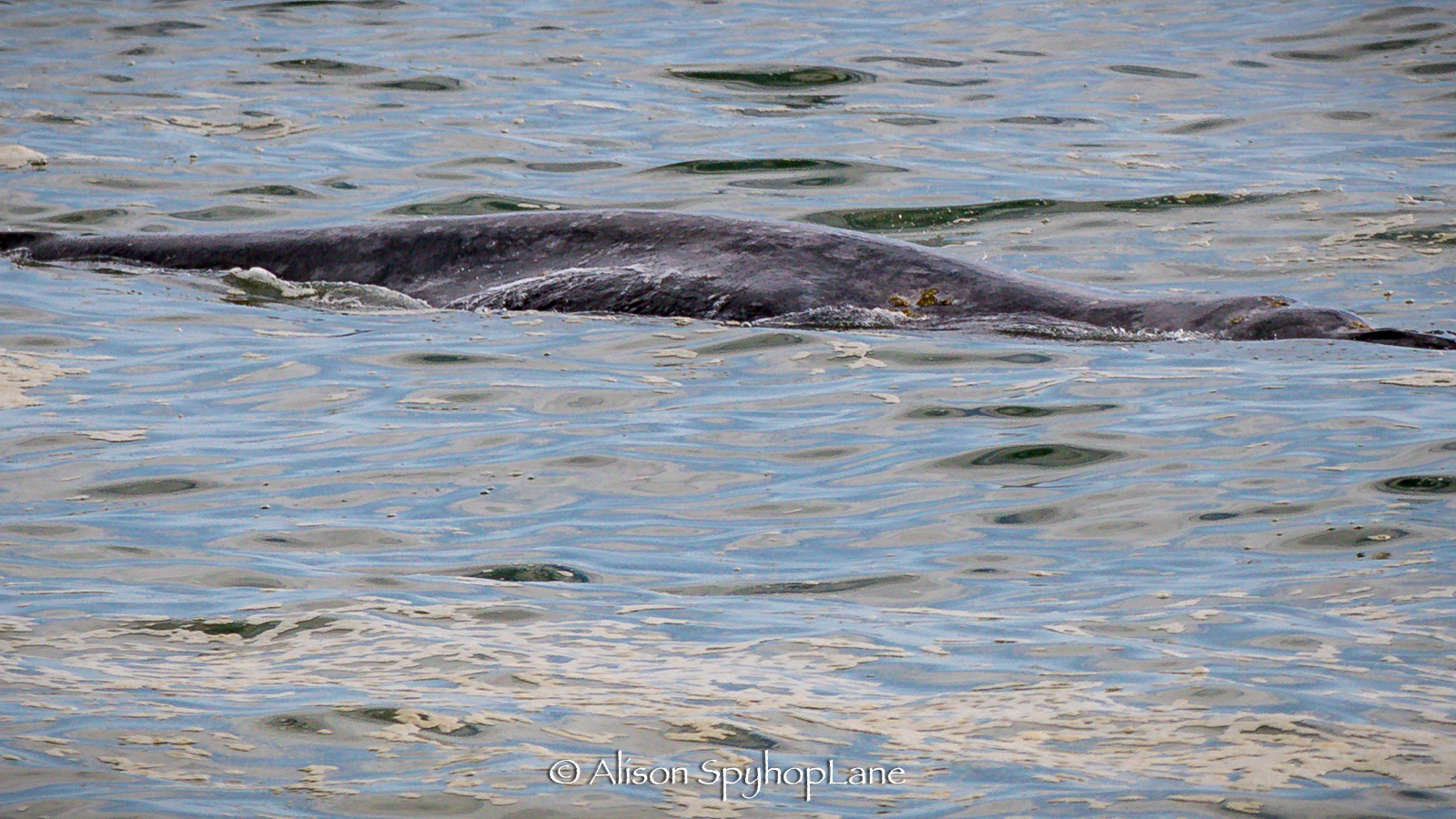
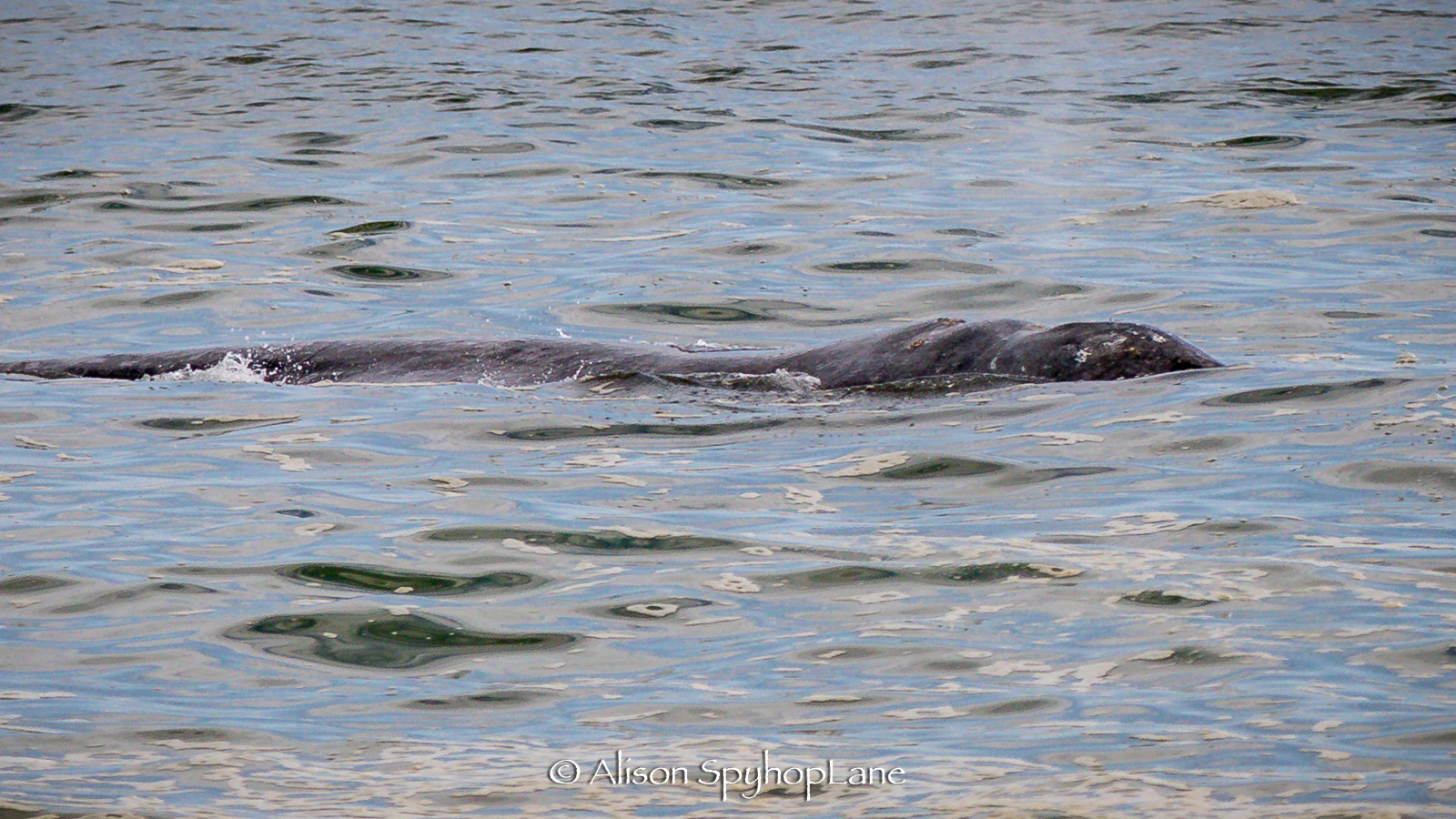
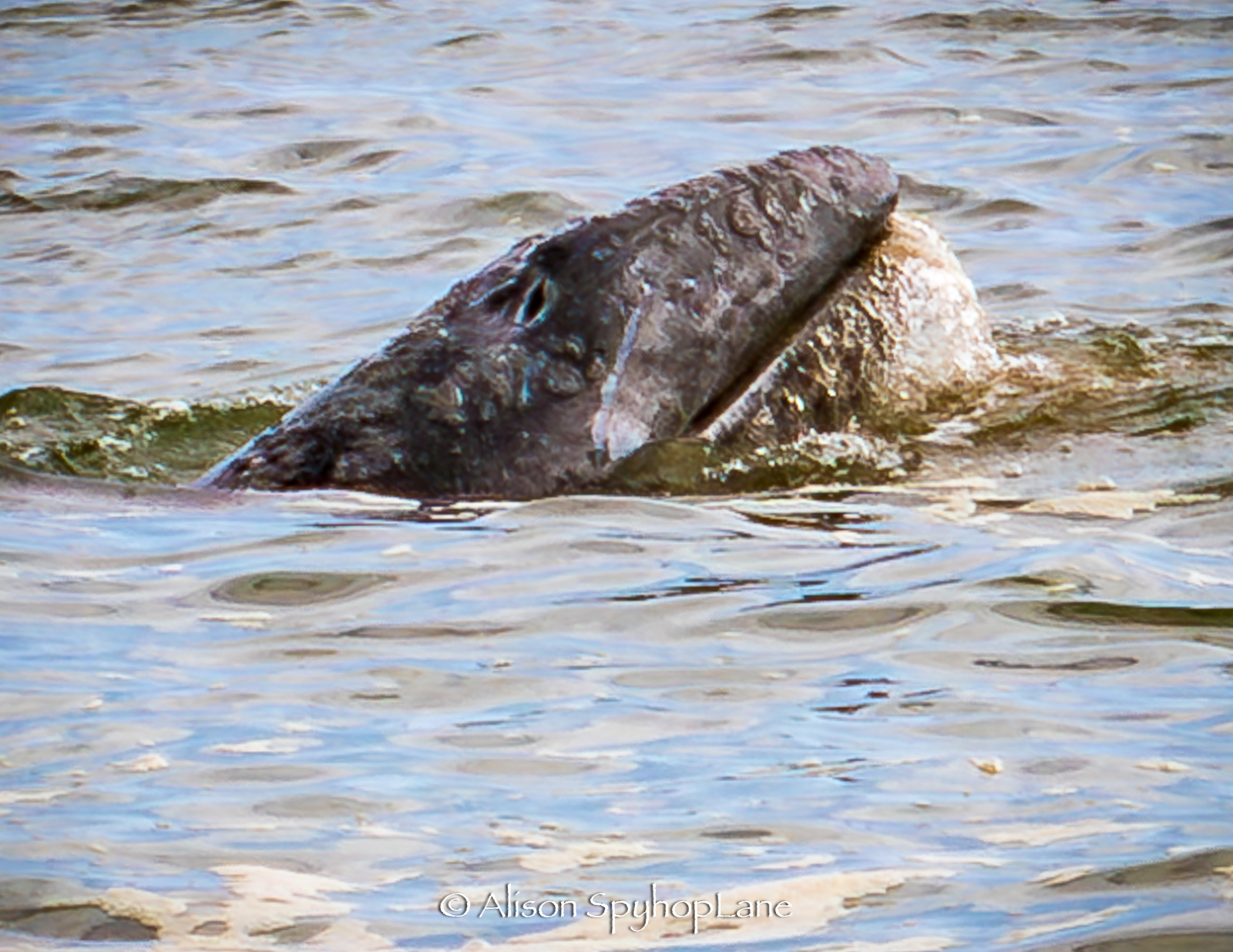
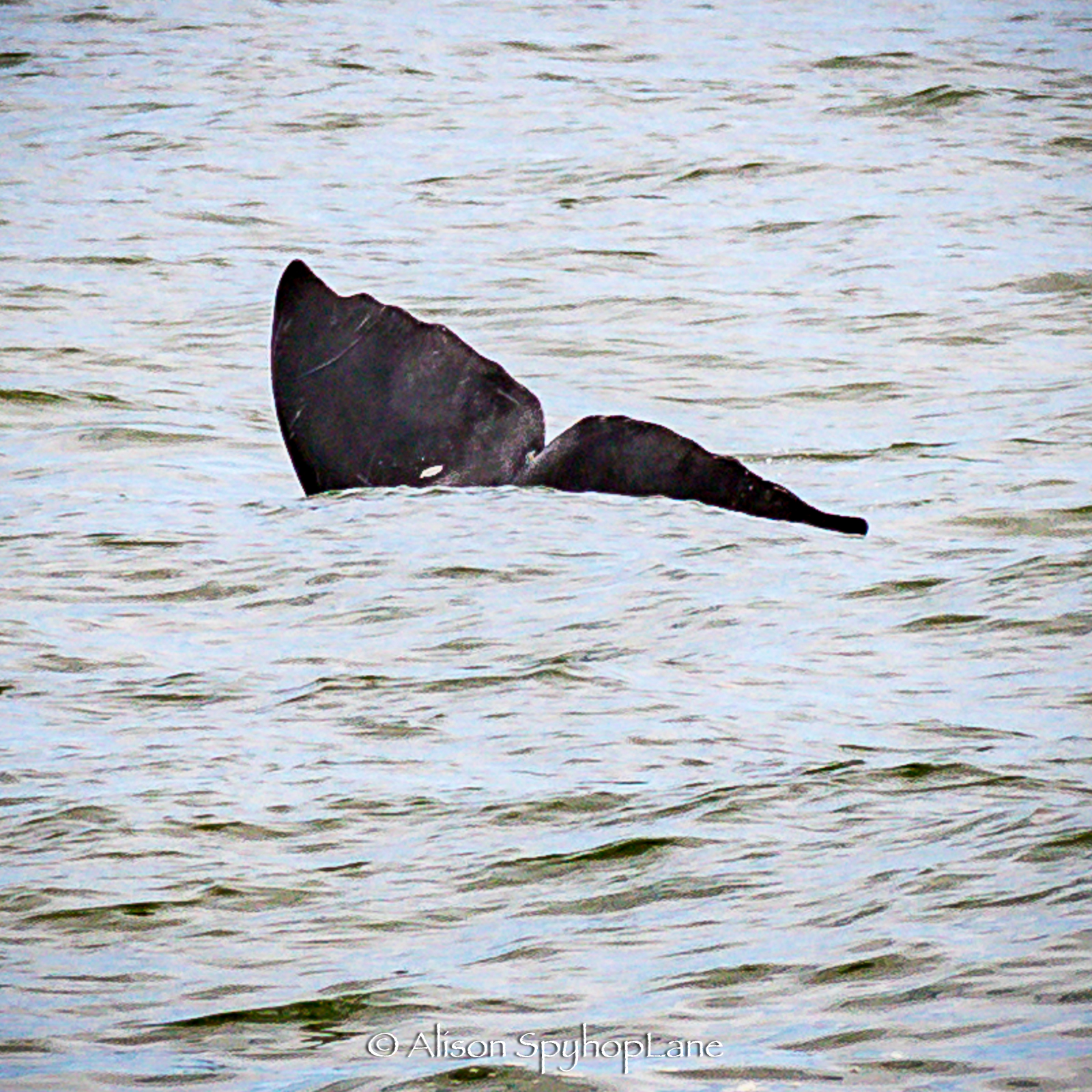
The Point Dume Natural Preserve was unusually busy with multiple tour buses dropping off large groups of 50 people for 30 minute visits several times throughout the day. Sections of the unpaved nature paths are seeing the wear and tear effects of the increased foot traffic and recent rain runoff erosion.
Dozens of Sea Lions in Sea Lion Cove, including one with tags and identification number #1734 branded into the hair/fur indicating it has received treatments at a wildlife center. I will post an update when more information is obtained.

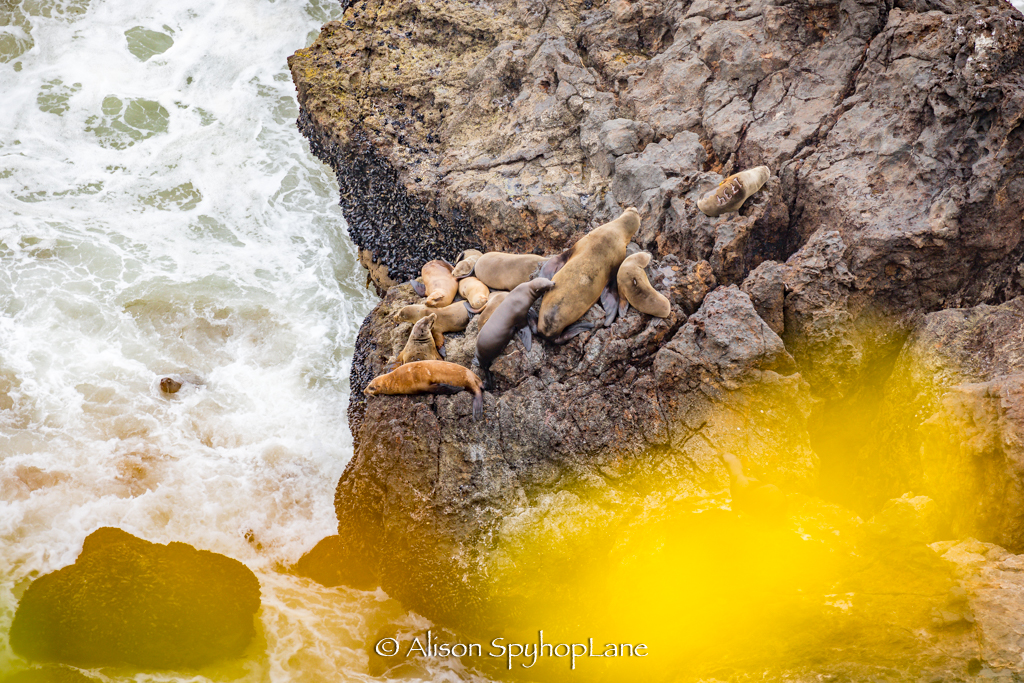

UPDATE on SeaLion #1734 -October 18th 2023
Heather Henderson (Marine Program Manger) at The California Wildlife Center (CWC-Marine Mammal Response and Rehabilitation) shared details about this interesting Sea Lion’s history. #1734 is female and was rescued by the Marine Mammal Response team in January 2023. She was found in the rocks after local beach walkers called to report the pup. The pup was underweight and severely malnourished with 50% less bodyweight than typical for new pups. The sea lion pup was rehabilitated and cared for at the California Wildlife Center (CWL) until her release date of approximately April 2nd, along with four of her best sea lion friends. She has a yellow tag on the left pectoral flipper and is branded as part of a population study done on San Miguel Island. She also has a new tag on the right flipper from the CWL on the left side. She was released onto Westward Beach and this photo was taken approximately a week later which is really good news for the team. She was recently seen again on October 11th, 2023 in the same area as pictured above, observed to be in good health. Sea Lion #1734 is a success story on many levels. Please consider making a donation or volunteer with the California Wildlife Center so they can continue this lifesaving work. If you see an injured or sick sea lion please call to report.
To Report a sick or injured Marine Mammal or Injured Shore Bird please call the California Wildlife Center: Marine Mammal Rescue Hotline….
Please take photo of the animal and injury without disturbing the animal.
DO NOT TOUCH THE ANIMAL
Be Prepared to STAY until you speak to the center and KEEP OTHERS AWAY at least 50 ft if possible to protect the wildlife and yourself. You can also speak to the lifeguard on duty to provide help if possible.
The Wildlife Center will ask you to text a photo to them to assess the situation.
Call (310)924-7256

 Spyhop Lane